

💡 Introduction
As cities become brighter, light pollution is emerging as a serious environmental and health issue. Excessive upward or scattered light not only wastes energy but also disrupts wildlife behavior, human sleep cycles, and the beauty of the night sky.
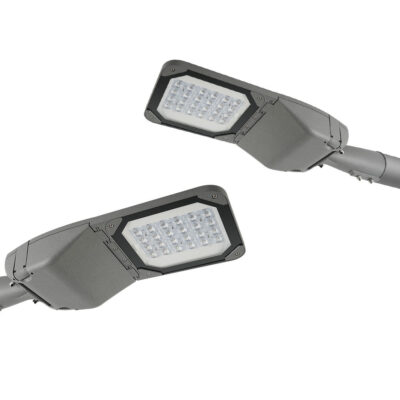
By adopting dark-sky friendly lighting, cities can achieve safer roads, lower energy costs, and sustainable illumination. Leading Led Street Lights Manufacturers are now designing fixtures that minimize glare and upward light while meeting international lighting standards.
🔹 1. What Is Light Pollution?
Light pollution includes all forms of unnecessary artificial light that spill into areas where it isn’t needed. It has several components:
-
Skyglow: Light scattering upward, brightening the night sky.
-
Glare: Excessive brightness causing visual discomfort or reduced visibility.
-
Light trespass: Unwanted light entering residential windows or private areas.
Effective luminaire design and smart control help reduce all three.
🔹 2. How LED Street Lights Can Contribute
Poorly designed or misaligned LED street lights can emit upward light or cause glare even if they’re energy-efficient. The challenge is not the LED itself—but how it’s directed.
That’s why optics, CCT selection, and installation angles are crucial factors in achieving dark-sky compliance.
🔹 3. Design Principles for Dark-Sky Compliance
To minimize light pollution, follow these principles:
✅ Use full-cutoff optics: Prevent light from escaping above the horizontal line.
✅ Aim lights downward (0° tilt): Ensures all light is directed to the ground.
✅ Select warm CCT (≤3000K): Reduces blue light scatter in the atmosphere.
✅ Dimming and motion control: Adjust brightness during low-traffic hours.
✅ Proper pole spacing: Avoid overlapping light zones that create over-illumination.
Many certified Led Landscape Lights Manufacturers already implement these design rules to preserve natural nightscapes.
🔹 4. Standards and Certifications
-
IDA (International Dark-Sky Association): Certifies fixtures that minimize skyglow and glare.
-
IESNA TM-15 BUG rating: Evaluates backlight, uplight, and glare performance.
-
CIE 150: International guidelines for minimizing obtrusive light.
Choosing luminaires that meet these standards ensures both ecological protection and compliance with municipal codes.
🔹 5. Benefits Beyond the Night Sky
Implementing dark-sky lighting provides multiple advantages:
🌍 Energy Savings: Directing light only where needed cuts waste by up to 30%.
🦉 Wildlife Protection: Prevents disruption of nocturnal ecosystems.
🏙️ Improved Aesthetics: Restores the natural appearance of urban skylines.
👁️ Better Human Health: Reduces eye strain and supports circadian rhythm balance.
✅ Conclusion
Reducing light pollution doesn’t mean dimming our cities—it means lighting smarter. Dark-sky friendly LED street lights provide precise illumination where it’s needed, without spilling into the sky or private spaces.
By choosing compliant fixtures from professional LED manufacturers, municipalities can enhance public safety, protect the environment, and preserve the beauty of the night sky for future generations.